29 Jul
Pomeranian Dog Care in UAE: Complete Guide for Pet Parents
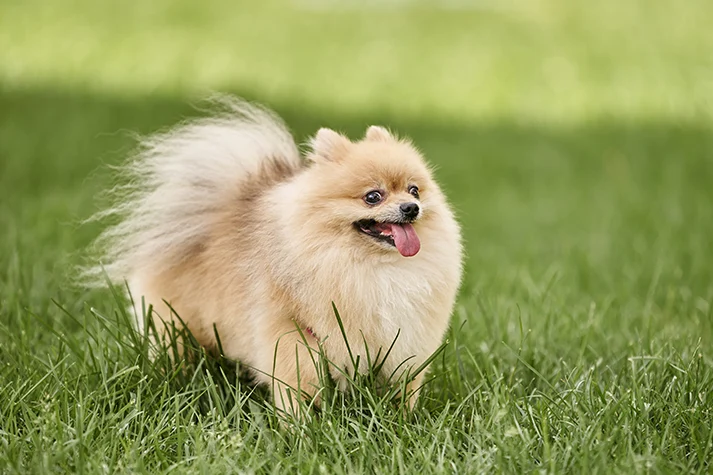
Pomeranians may be small in size, but they have big personalities. Known for their fluffy double coat, fox-like face, and lively nature, these toy dogs have become one of the most popular companion breeds in the UAE. They adapt well to apartment living, love spending time with their families, and are intelligent enough to learn tricks quickly.
However, owning a Pomeranian in the UAE comes with unique responsibilities. The country's hot climate, dry air, and long summers require extra attention to grooming, hydration, exercise, and overall health.
Whether you're bringing home your first puppy or already have an adult Pomeranian, this guide covers everything you need to know about Pomeranian dog care in UAE, from diet and grooming to common health problems and summer safety.
Is a Pomeranian a Good Dog for the UAE Climate?
Yes, Pomeranians can live comfortably in the UAE, but they are not naturally built for extreme heat.
Originally bred in colder regions, Pomeranians have a thick double coat that helps regulate body temperature. Contrary to popular belief, shaving this coat is not recommended, as it also protects their skin from direct sunlight.
To keep your dog comfortable:
- Walk them early in the morning or after sunset.
- Avoid hot pavements during summer.
- Always provide access to clean drinking water.
- Keep indoor temperatures cool.
- Watch for signs of overheating such as excessive panting, drooling, or lethargy.
With proper care, Pomeranians can thrive in Dubai, Abu Dhabi, Sharjah, and other emirates.
How Much Does It Cost to Own a Pomeranian in the UAE?
While the purchase price of a Pomeranian varies depending on the breeder and pedigree, the ongoing cost of ownership is what every pet parent should plan for.
Here's a rough estimate of the monthly and annual expenses in the UAE:
| Expense | Estimated Cost |
| Premium dog food | AED 150-300/month |
| Professional grooming | AED 150-300 per session (every 6-8 weeks) |
| Routine veterinary check-up | AED 150-400 per visit |
| Annual vaccinations | AED 200-500/year |
| Flea, tick & worm prevention | AED 50-150/month |
| Pet insurance (optional) | AED 500-2,000/year |
| Toys, treats & accessories | AED 50-200/month |
Overall, most Pomeranian owners in the UAE spend approximately AED 400-900 per month, excluding unexpected medical expenses or emergencies.
Budgeting for these recurring costs helps ensure your Pomeranian receives quality nutrition, regular veterinary care, and proper grooming throughout its life.
What Should You Feed a Pomeranian in the UAE?
A healthy diet plays an important role in maintaining your Pomeranian's energy levels, coat quality, and immune system.
Choose a high-quality dog food that contains:
- Real meat as the primary ingredient
- Healthy fats like salmon oil or fish oil
- Essential vitamins and minerals
- Omega-3 and Omega-6 fatty acids
- Easily digestible carbohydrates
Adult Pomeranians usually require two meals a day, while puppies need three to four smaller meals. Fresh water should always be available, especially during the hotter months.
How Often Does a Pomeranian Need Grooming?
The beautiful fluffy coat is one of the breed's biggest attractions, but it also requires regular maintenance.
A proper grooming routine includes:
- Brushing three to four times a week
- Bathing every four to six weeks
- Regular ear cleaning
- Nail trimming every three to four weeks
- Daily dental care to reduce plaque buildup
Seasonal shedding usually occurs twice a year, making frequent brushing even more important. Professional grooming every six to eight weeks can help keep the coat healthy and free from mats. Avoid shaving your Pomeranian unless advised by a veterinarian for medical reasons.
How Much Exercise Does a Pomeranian Need?
Despite their tiny size, Pomeranians are active dogs that enjoy regular playtime. Most adults need around 30 to 45 minutes of daily exercise, including short walks, indoor games, puzzle toys, basic obedience training, and interactive play sessions.
Mental stimulation is just as important as physical activity. During summer, avoid exercising outdoors between late morning and evening when temperatures are at their highest.
What Health Problems Are Common in Pomeranians?
Like many toy breeds, Pomeranians are prone to certain inherited and age-related health conditions.
Some of the most common include:
- Dental disease
- Luxating patella (slipping kneecap)
- Tracheal collapse
- Heart disease
- Hypoglycaemia in puppies
- Eye disorders
- Skin allergies
Routine veterinary check-ups can help detect these issues early. Maintaining a healthy weight, feeding a balanced diet, and following vaccination schedules significantly reduce health risks.
How Do You Keep a Pomeranian Cool During UAE Summers?
Summer temperatures in the UAE can become dangerous for small breeds.
Here are some practical tips:
- Schedule walks before 8 AM or after sunset.
- Never leave your dog inside a parked car.
- Carry fresh water during outdoor trips.
- Use cooling mats indoors.
- Limit outdoor activities during heatwaves.
- Check pavement temperatures before walking.
- Offer frozen dog-safe treats occasionally.
Heatstroke is a medical emergency. If your dog shows symptoms such as vomiting, collapse, excessive panting, or confusion, seek immediate veterinary care.
Are Pomeranians Easy to Train?
Yes. Pomeranians are intelligent and eager to learn, making them relatively easy to train with consistency and positive reinforcement.
Start training early by focusing on house training, socialisation, recall, basic commands and leash manners. Reward-based training works far better than punishment.
Crate training can also help puppies feel secure, assist with toilet training, and make veterinary visits or future pet travel much less stressful.
Can Pomeranians Live in Apartments?
Absolutely. Pomeranians are among the best dog breeds for apartment living because of their small size.
However, they still need:
- Daily exercise
- Mental stimulation
- Social interaction
- A predictable routine
Without enough activity, they may develop nuisance behaviours like excessive barking.
If you're moving to a new home, remember that how long dogs take to adjust varies from one dog to another. Most settle into a new environment within a few weeks when given patience, routine, and positive reinforcement.
Can You Travel with a Pomeranian in the UAE?
Yes. Pomeranians generally travel well because of their compact size. If you're relocating internationally or travelling within the country, early preparation makes the journey much easier. Many owners begin crate training several weeks before departure so the dog feels comfortable inside its travel crate.
If you're planning rail travel, it's worth knowing that Etihad Rail allows pets on board under specific conditions. Domestic pets must travel inside an approved carrier while following the operator's guidelines.
For international journeys, you'll typically need updated vaccinations, health certificate, microchip, and destination-specific permits. Working with a trusted pet relocation service in UAE can simplify documentation, airline requirements, and travel planning while reducing stress for both you and your pet.
Final Thoughts
Pomeranians may be small, but they require dedicated care to stay healthy and happy. Regular grooming, a nutritious diet, daily exercise, and protection from the UAE's heat all contribute to a long, comfortable life.
By understanding the breed's unique needs and maintaining a consistent routine, you can enjoy many wonderful years with your furry companion. Whether you're raising a playful puppy or caring for a senior dog, responsible ownership makes all the difference.
FREQUENTLY ASKED QUESTIONS &
Can Pomeranians live comfortably in the UAE?
Yes. Pomeranians can adapt well to the UAE when they are protected from excessive heat, exercised during cooler hours, and kept hydrated in air-conditioned environments.
How often should a Pomeranian be groomed?
Brush your Pomeranian at least three to four times a week and schedule professional grooming every six to eight weeks to keep their double coat healthy and tangle-free.
What is the best food for a Pomeranian?
A balanced diet containing high-quality protein, healthy fats, vitamins, and minerals is ideal. Choose food appropriate for your dog's age, size, and activity level, and consult your veterinarian for personalised recommendations.
How much exercise does a Pomeranian need every day?
Most healthy adult Pomeranians need around 30 to 45 minutes of daily exercise along with interactive play and mental stimulation.
Is a Pomeranian suitable for first-time dog owners?
Yes. Pomeranians are affectionate, intelligent, and relatively easy to train, making them a great choice for first-time owners who are committed to regular grooming, training, and daily care.




AUTHOR’S BIO
Shivangi Lawania
Storytelling is my way of bringing ideas to life. I enjoy shaping words that spark curiosity and connection, while keeping a strong focus on branding and communication. For me, great content blends creativity with clarity to leave a lasting impression.