12 Feb
How Long Does It Take for a Dog to Adjust After Moving House
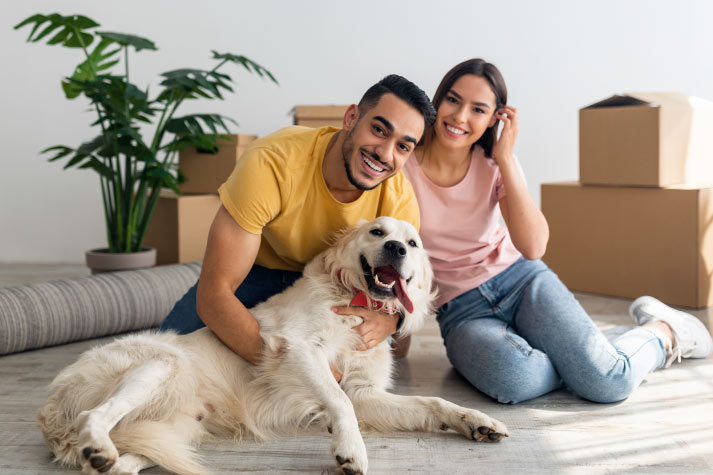
Moving to a new home is stressful for people, but for dogs, it can feel downright confusing. Their world is built on familiar scents, routines, and territory, so when all of those changes at once, it’s normal for them to struggle for a while. One of the most common questions pet parents ask during relocation is how long will it take for my dog to feel like themselves again.
The short answer is that there’s no single timeline that fits every dog. What matters is understanding what adjustment actually look like, what’s normal, and how you can support your dog through this transition.
Why Moving Is So Disruptive for Dogs
Dogs experience the world primarily through smell and routine. A new home doesn’t just look different, it smells unfamiliar, sounds unfamiliar, and lacks the comforting markers that once told your dog they were safe. Even confident dogs can feel unsettled when everything they know disappears overnight.
When moving house with a dog, you’re asking them to adapt to a new environment without fully understanding why the change happened. That uncertainty often shows up as stress-related behavior, especially in the first few weeks.
A Realistic Timeline for Dog Adjustment After Moving
While every dog is different, most adjustment periods fall into recognizable phases. Understanding these stages can help you stay patient and avoid unnecessary worry.
- The first few days are usually the hardest. Many dogs appear withdrawn or unusually clingy during this time. Appetite changes, disrupted sleep, and hesitation to explore the new space are common and typically not a cause for alarm.
- After one to two weeks, most dogs begin showing early signs of settling. They may start eating more consistently, responding better to familiar routines, and showing curiosity about their surroundings. Stress hasn’t disappeared, but it’s easing.
- Between three and four weeks, confidence usually improves noticeably. At this stage, dogs often reestablish normal behavior patterns, play more freely, and seem more relaxed indoors.
For some dogs, especially seniors, rescues, or dogs prone to anxiety, full adjustment can take six to eight weeks or longer. This doesn’t mean something is wrong, it simply reflects how deeply dogs bond with their environment.
This entire process is what professionals refer to as dog adjustment after moving, and it’s rarely linear. Good days and difficult days can coexist.
Dog Relocation Stress Symptoms to Watch For
Stress after a move doesn’t always look dramatic. Sometimes it’s subtle, which is why many pet owners worry they’re missing something important.
Common dog relocation stress symptoms include:
- Temporary loss of appetite
- Pacing
- Excessive panting
- Changes in sleep patterns
- Increased vocalization
- Regression in toilet training
- A sudden need for constant reassurance.
Some dogs may also seem unusually alert or reactive in the new environment. These behaviors are usually part of normal adjustment. However, if symptoms intensify, persist beyond several weeks, or escalate into destructive behavior or aggression, it may be time to consult a veterinarian or behavior specialist.
How You Can Help Your Dog Settle Faster
Consistency is your strongest tool during this transition. Dogs find comfort in predictability, so maintaining familiar feeding times, walks, and bedtime routines helps rebuild their sense of security.
Familiar smells matter more than many owners realize. Bringing your dog’s bed, blankets, and toys into the new home right away can provide emotional grounding. Try to avoid washing these items immediately after the move, the scent of the old home can be reassuring.
Give your dog time to explore at their own pace. Some dogs want to investigate every corner right away, while others prefer sticking close to their person. Both responses are normal. Most importantly, stay calm. Dogs are incredibly sensitive to human emotions. If you’re anxious or rushed, your dog will feel it too.
When Relocation Involves Travel or International Moves
Moves that involve long-distance or international travel add another layer of complexity. Travel itself can heighten stress, especially if your dog isn’t used to it.
This is where professional support can make a meaningful difference. A reputable pet travel company in UAE, for example, doesn’t just handle logistics, they often guide pet owners on preparation, crate training, and stress reduction strategies before and after travel. These details can significantly ease the transition for your dog.
Similarly, if you’re relocating internationally, using a trusted pet import service in UAE helps ensure your dog arrives safely, legally, and with minimal disruption. Proper documentation, health checks, and transport planning all reduce avoidable stress, allowing your dog to focus on adjusting rather than recovering from a difficult journey.
When to Be Patient and When to Seek Help
Most dogs adjust with time, reassurance, and routine. However, prolonged anxiety, refusal to eat, or extreme behavioral changes shouldn’t be ignored. Trust your instincts. If something feels off, professional advice can provide clarity and peace of mind. Adjustment doesn’t mean perfection. It means your dog feels safe again and that looks different for every individual.
Final Thoughts
Moving is a major life change, and it’s okay if your dog doesn’t bounce back immediately. With patience, understanding, and the right support, most dogs settle into their new homes beautifully.
By recognizing stress signals early, maintaining familiar routines, and seeking professional help when needed, you’re giving your dog the best possible chance to thrive after the move. And for pet parents navigating complex relocations, especially across borders, the right expertise can make all the difference, for both you and your dog.


AUTHOR’S BIO
Shivangi Lawania
Storytelling is my way of bringing ideas to life. I enjoy shaping words that spark curiosity and connection, while keeping a strong focus on branding and communication. For me, great content blends creativity with clarity to leave a lasting impression.