15 May
Why Airlines Restrict Flat-Faced Dogs During UAE Summers
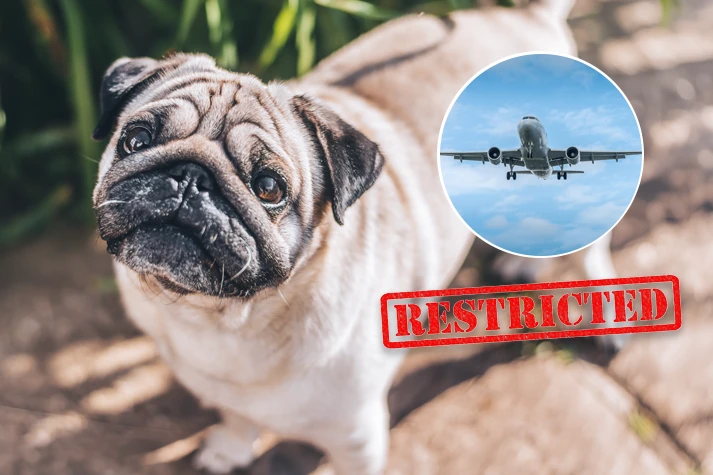
Many pet parents are shocked when airlines refuse to transport their pug, French bulldog, Persian cat, or boxer during UAE summers. In some cases, bookings are denied even before the pet reaches the airport.
These restrictions may seem harsh at first, but they are largely based on animal safety. Flat-faced pets, also known as brachycephalic breeds, are more vulnerable to breathing difficulties, overheating, and respiratory stress during air travel, especially in extreme summer temperatures like those experienced in the UAE.
Airlines such as Emirates and Etihad Airways already apply special handling policies and seasonal rules for snub-nosed breeds. Understanding why these restrictions exist can help pet parents make safer travel decisions and avoid last-minute relocation problems.
What Are Flat-Faced or Snub-Nosed Breeds?
Flat-faced pets are known medically as brachycephalic breeds. These pets have shortened skulls and compressed upper airways, which can make breathing less efficient compared to other animals.
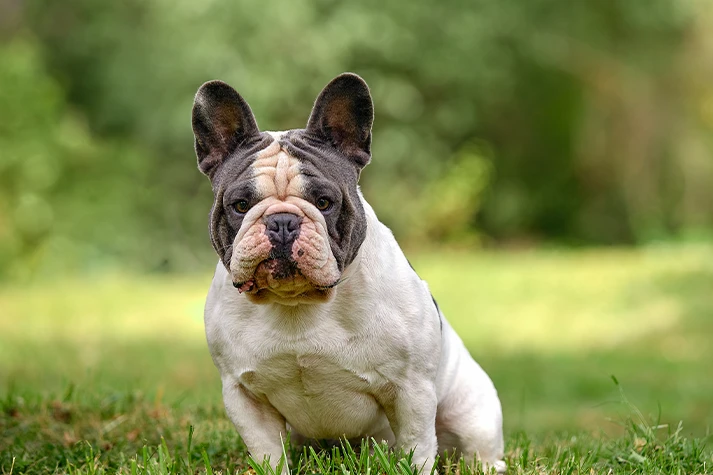
Common flat-faced dog breeds include:
- Pugs
- French Bulldogs
- English Bulldogs
- Boston Terriers
- Boxers
- Shih Tzus
Common flat-faced cat breeds include:
- Persian cats
- Himalayan cats
- Exotic Shorthairs
Because these breeds already have restricted airflow, they are more sensitive to heat, stress, humidity, and oxygen changes during travel. This becomes especially important during summer pet travel from the UAE.
Why UAE Summers Create Higher Risk for Flat-Faced Pets
During UAE summers, temperatures frequently cross 40°C. However, the real danger often comes from airport ground operations rather than the flight itself.
Aircraft cargo compartments are usually temperature-controlled once the plane is airborne. The higher-risk period happens during:
- check-in handling,
- loading procedures,
- transit delays,
- and unloading on the tarmac.
Airport surfaces can become significantly hotter than the surrounding air temperature during summer afternoons. For brachycephalic pets, even short periods of heat exposure can quickly trigger breathing distress.
Dogs mainly cool themselves by panting. Flat-faced dogs cannot regulate body temperature as efficiently because their compressed airways reduce airflow.
This is one of the main reasons airlines apply pet breed restrictions in UAE airlines during hotter months.
Why Air Travel Is More Dangerous for Snub-Nosed Breeds
Air travel places physical stress on pets even under normal conditions. Noise, unfamiliar surroundings, crate confinement, airport activity, and long travel durations can increase anxiety levels in animals. For flat-faced breeds, stress can worsen existing respiratory limitations.
Airlines and veterinarians have long identified brachycephalic breeds as higher-risk travelers because breathing complications can escalate rapidly during transport.
According to Etihad Cargo’s official Live Animals policy update, snub-nosed breeds require “specialised care during air travel” because of their respiratory sensitivities. This is why many airlines apply stricter seasonal approvals for pugs, bulldogs, Persian cats, and similar breeds.
In some cases, extended crate confinement and travel anxiety may also contribute to stress-related behavioural issues sometimes linked with caged dog syndrome in pets.
Why Airlines Apply Seasonal Restrictions Instead of Permanent Bans
One of the biggest misconceptions about pet travel is that flat-faced breeds are completely banned from flying. That is not always true.
In many cases, restrictions are seasonal and temperature-based. For example, Etihad Cargo introduced a dedicated seasonal policy allowing brachycephalic cats and dogs to travel only between November 1 and March 1, when weather conditions are safer.
Similarly, some Emirates cargo handling guidelines apply additional conditions, seasonal approvals, and reinforced crate requirements for certain snub-nosed breeds.
These restrictions are based on:
- departure temperature,
- arrival weather,
- transit airport conditions,
- route duration,
- and breed-specific health risk.
A route that may be approved during winter could easily be denied during peak UAE summer months.
Why Direct Flights and Transit Airports Matter
The route itself can significantly affect pet safety. Long layovers and multiple transit points increase handling time, crate confinement duration, and exposure to warm temperatures.
This is why many pet relocation experts prefer direct flights, shorter journey times, and nighttime departures during summer.
Transit airports also play a major role. Some airports impose temporary heat embargoes or stricter live animal handling rules during extreme weather.
This becomes even more important for brachycephalic breeds because their breathing efficiency is already reduced. Professional planning is often necessary for complex international pet travel involving snub-nosed pets.
Why Some Airlines Allow Cabin Travel but Restrict Cargo
Some international airlines may allow smaller pets in the cabin while restricting them from cargo transport.
Cabin travel is generally considered safer for flat-faced pets because:
- temperatures are more stable,
- ventilation is better,
- and pets remain under passenger supervision.
However, UAE-based airlines usually transport pets through cargo systems rather than standard cabin travel, except for specific service animal cases.
International airlines like Lufthansa, KLM Royal Dutch Airlines, and Air France may allow certain pets inside the cabin on eligible routes depending on size and airline approval.
Still, airline policies change frequently, especially during summer months, so checking updated rules before booking is extremely important.
Can Flat-Faced Dogs Still Travel Safely?
Yes, but timing and preparation matter a lot. Safer travel for brachycephalic pets usually depends on:
- choosing cooler travel months,
- minimizing layovers,
- selecting airline-approved routes,
- avoiding afternoon departures,
- and using properly ventilated travel crates.
Many veterinarians also advise against sedating pets during flights because sedation may interfere with breathing and blood pressure regulation.
Following expert tips to travel with snub-nosed breed pets can help reduce respiratory risks and make the journey safer.
Why Pet Parents Should Plan Relocation Early
Summer relocations involving flat-faced pets should never be handled at the last minute.
Airlines may require:
- Breed approvals
- Veterinary documentation
- Temperature assessments
- Additional crate compliance checks
During peak summer periods, policies can also change quickly depending on weather conditions and operational safety concerns.
This is why many families relocating internationally prefer experienced pet relocation services in Dubai to help coordinate airline approvals, documentation, route planning, and safer seasonal travel windows.
Proper planning can significantly reduce stress for both pets and owners.
Final Thoughts
Airline restrictions for flat-faced pets during UAE summers are based on safety concerns, not breed discrimination.
Brachycephalic breeds already face natural breathing challenges because of their airway structure. When extreme heat, airport handling, and travel stress are added to the situation, the risk of respiratory distress becomes much higher.
That is why airlines across the UAE and international pet cargo networks apply stricter rules for pugs, French bulldogs, Persian cats, and other snub-nosed breeds during summer months. With proper planning, safer routing, and cooler travel periods, many flat-faced pets can still travel comfortably and safely.
Understanding these restrictions early helps pet parents avoid unexpected travel problems and make better relocation decisions for their furry companions.
FREQUENTLY ASKED QUESTIONS &
Why are flat-faced dogs restricted on airlines?
Flat-faced dogs, also called brachycephalic breeds, have compressed airways that make breathing more difficult. During flights, heat exposure, stress, and reduced airflow can increase the risk of respiratory distress, especially during UAE summers.
Can pugs and French bulldogs fly from UAE during summer?
Some airlines may restrict pugs and French bulldogs during summer due to high temperatures and increased breathing risks. Seasonal approvals often depend on airline policy, route conditions, and weather forecasts.
Why are UAE summers dangerous for pet travel?
UAE summers regularly exceed 40°C, and airport tarmac temperatures can become even hotter. Flat-faced pets struggle to cool themselves efficiently, making them more vulnerable to overheating during airport handling and transit.
Can flat-faced dogs travel in cabin instead of cargo?
Certain international airlines may allow small flat-faced pets in the cabin if they meet size and carrier requirements. However, many UAE-based airlines mainly transport pets through cargo systems rather than standard cabin travel.
Which airlines have restrictions for snub-nosed pets?
Airlines including Emirates and Etihad Airways apply special policies, seasonal handling rules, or additional approvals for brachycephalic breeds. Restrictions may vary depending on weather, destination, and route conditions.


AUTHOR’S BIO
Shivangi Lawania
Storytelling is my way of bringing ideas to life. I enjoy shaping words that spark curiosity and connection, while keeping a strong focus on branding and communication. For me, great content blends creativity with clarity to leave a lasting impression.