04 Apr
Summer Pet Care: Keeping Your Pets Safe in Dubai’s Summer Heat
Summer in Dubai and across the UAE brings extreme temperatures that can be tough on pets. The heat doesn’t just cause discomfort, it can affect their energy levels, hydration, and overall well-being.
With a few thoughtful changes to your pet’s daily routine, you can help them stay comfortable and safe even during the hottest months. This becomes especially important if you’re planning pet travel as managing heat exposure is essential.
Why Summer Care Needs Extra Attention
High temperatures in the UAE impact pets in multiple ways. From dehydration and fatigue to hot walking surfaces and reduced outdoor time, even small changes in weather can affect how your pet feels day to day.
Unlike humans, pets cannot regulate heat as efficiently. This makes it important to be proactive rather than reactive when it comes to their care during summer.
How to Keep Pets Safe During UAE Summer
Maintain Consistent Hydration
Heat will lead to dehydration, which is why it is important to stay hydrated. Always ensure your pet has access to clean, fresh water throughout the day. In hotter months, they may need to drink more frequently than usual.
You can also support hydration by offering moisture rich food or adding a small amount of water to dry meals if suitable for your pet.
Choose Safer Times for Walks
Outdoor activity should be planned carefully. Early mornings and late evenings are generally safer, as temperatures are lower and surfaces are less likely to retain heat.
A quick way to check is by placing your hand on the pavement for a few seconds. If it feels uncomfortable, it’s best to avoid walking your pet at that time.
Protect Your Pet’s Paws
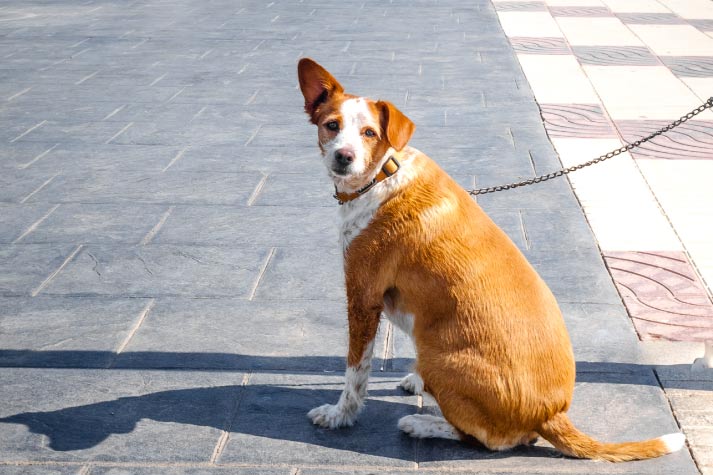
Roads and pavements in the UAE can become extremely hot during the day. Walking on these surfaces can cause burns or discomfort.
Whenever possible, choose shaded routes or grassy areas, and limit time outdoors during peak heat hours.
Keep Indoor Spaces Cool and Ventilated
Pets often spend more time indoors during summer, but that doesn’t always guarantee comfort. Poor ventilation or direct sunlight through windows can raise indoor temperatures significantly.
Ensure there is proper airflow, use cooling where needed, and provide your pet with a comfortable resting spot away from heat.
Groom Appropriately
Regular grooming helps remove excess fur and improves air circulation. However, avoid shaving your pet completely, as their coat also provides a layer of protection against heat.
Avoid Leaving Pets in Parked Cars
Even a short period inside a parked vehicle can become dangerous. Temperatures inside cars rise rapidly and can create unsafe conditions within minutes.
It’s always safer to leave pets at home if you cannot take them along into a cooled indoor space.
Be Aware of Breed and Age Factors
Some pets are naturally more sensitive to heat. Snub nosed or Flat-faced breeds, older animals, and those with thicker coats may struggle more in high temperatures.
Keeping their activity levels moderate and ensuring frequent breaks can help reduce stress.
Plan Travel with Care
If you are arranging pet travel during the summer, timing and preparation play a key role. Avoid peak heat hours and ensure your pet has proper ventilation and comfort throughout the journey.
Working with a reliable pet relocation service in UAE can help manage these factors more effectively, especially for longer or international travel.
Understanding Heat Related Risks
Extended exposure to high temperatures can lead to serious conditions such as heatstroke in pets. While this is not always common, the risk increases during intense summer conditions, particularly when pets are outdoors for long periods or in poorly ventilated spaces.
For a more detailed understanding of this condition, including signs and treatment, you can refer to our dedicated guide.
Conclusion
Caring for pets during UAE summers is all about small, consistent efforts. Keeping them hydrated, adjusting daily routines, and creating a cooler environment can make a noticeable difference in their comfort.
Each pet responds differently to heat, so paying attention to their behaviour and making gradual adjustments is the best way to ensure they stay safe and healthy throughout the season.


AUTHOR’S BIO
Shivangi Lawania
Storytelling is my way of bringing ideas to life. I enjoy shaping words that spark curiosity and connection, while keeping a strong focus on branding and communication. For me, great content blends creativity with clarity to leave a lasting impression.