31 Aug
Raw Feeding for Beginners: Safety, Benefits, and How to Get Started
Kibble has been the default choice for dog owners for decades, mostly because it's convenient. But convenience isn't the same as ideal nutrition, and that gap is exactly why raw feeding has picked up serious traction among dog owners across Dubai and Abu Dhabi in recent years. It's not a fad diet or a social media trend. It's a deliberate shift toward a more natural way of feeding, with some owners also considering its potential role in preventing obesity in pets , before commercial pet food became the norm.
That said, raw feeding isn't something to jump into without understanding it properly. Here's what it actually involves, what the real risks are, and how to start it safely.
What Is Raw Feeding?
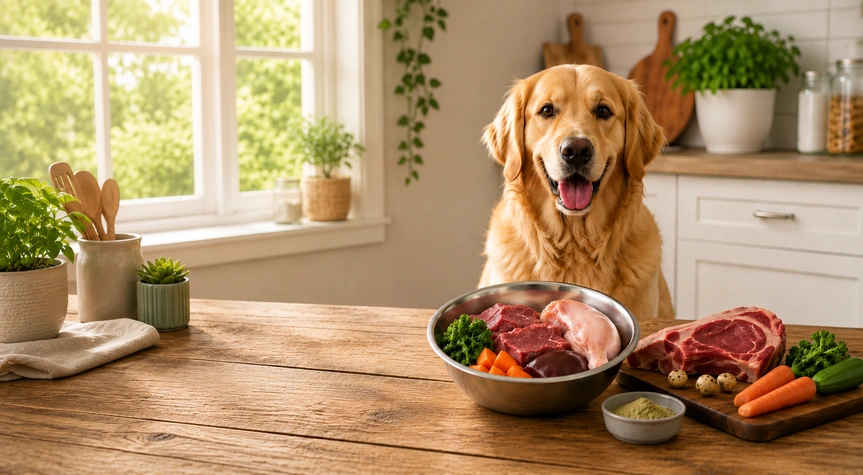
Raw feeding, sometimes called the BARF diet (Biologically Appropriate Raw Food), means feeding your dog uncooked meat, bones, organs, and sometimes vegetables, instead of processed kibble or canned food. The idea is simple: this is closer to what dogs would naturally eat in the wild, before commercial pet food existed. No cooking, no preservatives, no fillers.
It sounds basic, but doing it correctly takes more thought than just handing your dog a raw chicken piece and calling it a day.
Why Do Pet Parents Switch to Raw?
Owners who feed raw often report noticeable changes in their dogs. These are not guaranteed medical outcomes, but they are commonly mentioned benefits:
- Shinier coat and healthier skin: raw diets are naturally rich in fats and nutrients
- Cleaner teeth: chewing raw meaty bones can help reduce tartar buildup
- Better digestion: some dogs process raw food more easily than heavily processed kibble
- More energy: many owners describe their dogs as noticeably livelier
- Smaller, less smelly stools: a side effect of a diet with fewer fillers
Keep in mind, these benefits vary from dog to dog. The right senior dog diet for your neighbour's Labrador might not suit your senior Pug in the same way.
Is Raw Feeding Safe?
Raw meat can carry bacteria like Salmonella and Listeria. This is a real risk, not a myth. Studies on raw pet food have found these pathogens in a noticeable percentage of samples tested. The risk exists for your dog and for you, especially if raw food is handled carelessly in the kitchen.
But the risk is manageable if you take it seriously. Just follow these safety rules:
- Buy from a trusted source. Choose raw pet food brands that follow proper food safety certification, not random meat from an unverified supplier.
- Keep it cold. In UAE temperatures, especially in summer, bacteria multiply fast. Never leave raw food out of the fridge or freezer for more than 20–30 minutes.
- Never reuse surfaces. Use separate bowls, cutting boards, and utensils for raw dog food. Wash everything with hot soapy water immediately after.
- Wash your hands. Every single time, before and after handling raw food.
- Watch vulnerable pets closely. Puppies, senior dogs, and dogs with weak immune systems carry higher risk and should only start raw feeding under veterinary guidance.
If you follow these steps consistently, raw feeding becomes far safer than it sounds on paper.
How to Start Raw Feeding: A Simple Step-by-Step Guide
Switching your dog's entire diet overnight is a bad idea. Sudden changes usually lead to an upset stomach, and a bad first experience can put both you and your dog off raw feeding entirely.
Step 1: Transition slowly, over about 14 days.
Start by mixing a small amount of raw food with your dog's current food. Gradually increase the raw portion and decrease the kibble portion over two weeks. Watch your dog's stool. If things look normal, you're on track. If your dog seems unwell, slow down.
Step 2: Know how much to feed.
As a general rule, feed your dog 2% to 5% of their body weight in raw food per day, depending on their age, activity level, and metabolism. Active or younger dogs typically need more; older or less active dogs need less.
Step 3: Understand the basic ratio.
Most balanced raw diets roughly follow an 80/10/10 formula:
- 80% muscle meat
- 10% raw edible bone
- 10% organ meat (usually liver and one other organ)
This ratio is a starting guideline, not a strict rule, especially if you're using a professionally formulated raw meal instead of preparing it yourself at home.
Step 4: Decide between homemade or ready-made.
Preparing raw meals yourself gives you full control but requires a deep understanding of pet nutrition to avoid any nutritional gaps. Many new pet parents in the UAE prefer ready-made raw meals from established local providers, since these are pre-portioned and formulated to meet balanced nutrition standards. This is often the easier and safer starting point for beginners.
Raw Feeding in the UAE: What You Should Know
Raw feeding is legal in the UAE and has grown steadily in popularity over the past few years, particularly in Dubai and Abu Dhabi. Several established UAE-based raw pet food brands now operate from certified kitchens with proper food safety standards, and many offer home delivery across the Emirates.
If you are sourcing raw food locally, look for a supplier that is transparent about where their meat comes from, follows hygiene certifications, and can explain their nutritional formulation clearly. Given the region's heat, always confirm their delivery process keeps food properly chilled from the kitchen to your doorstep.
Final Thoughts
Raw feeding isn't a trend to follow blindly, and it isn't something to fear either. Done right, with a slow transition, clean handling, and a trustworthy source, it can be a genuinely rewarding way to feed your dog. Take it one step at a time, keep an eye on how your dog responds, and don't hesitate to loop in your vet if you're ever unsure.
FREQUENTLY ASKED QUESTIONS &
Is raw feeding safe for dogs?
It carries some risk of bacterial contamination, such as Salmonella and Listeria, but this risk drops significantly when you buy from a reputable source and follow proper hygiene and storage practices.
What are the real benefits of raw feeding?
Commonly reported benefits include a shinier coat, cleaner teeth, better digestion, and higher energy levels, though results can vary between individual dogs.
How do I transition my dog to raw food?
Gradually mix raw food into your dog's current diet over about 14 days, slowly increasing the raw portion while monitoring their digestion.
How much raw food should I feed my dog daily?
A general guideline is 2% to 5% of your dog's body weight per day, adjusted based on age and activity level.
Is raw feeding legal and common in the UAE?
Yes, raw feeding is legal in the UAE and increasingly popular, with several certified local providers now offering delivery across Dubai and the wider Emirates.





AUTHOR’S BIO
Shivangi Lawania
Storytelling is my way of bringing ideas to life. I enjoy shaping words that spark curiosity and connection, while keeping a strong focus on branding and communication. For me, great content blends creativity with clarity to leave a lasting impression.