09 Sep
Pug Dog Breed: Complete Guide to Temperament, Care, Grooming and Health
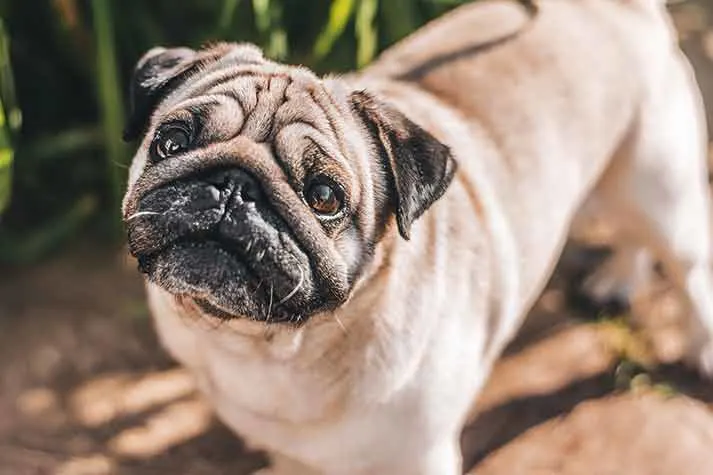
The Pug is one of the oldest dog breeds in the world, going back over 2,000 years to ancient China, where it was kept as a lap dog for royalty. It's easy to see why the breed has held on this long. That wrinkly face, curled tail, and big personality packed into a tiny body just works, and it's part of why the Pug has become one of the most popular breeds in the UAE , especially among families living in apartments and villas across Dubai and Abu Dhabi.
Whether you're thinking about buying a Pug, have just brought one home, or already share your life with one and want to get their care right, this guide covers everything you need, from temperament and grooming to health, diet, and what to expect owning one in the UAE.
Quick Facts About Pugs
| Size | 25-33 cm |
| Weight | 6-8 kg |
| Lifespan | 12-15 years |
| Origin | China |
| Group | Toy |
| Coat | Short, double-coated |
Temperament and Personality of Pugs
Pugs are friendly, playful, and love being around people. They don't like being left alone for long and are happiest sitting right next to you or following you around the house. Most Pugs get along well with kids, other dogs, and even cats, which makes them one of the easier breeds to bring into a busy household.
They're also a good fit for families with children, since Pugs tend to be gentle and patient rather than snappy or easily startled. That said, it's still worth teaching kids how to handle a small dog properly, since Pugs are sturdier than they look but still small enough to get hurt if handled roughly.
First-time dog owners often do well with a Pug too. They don't demand much exercise and are easy to fall in love with, but they're not entirely low maintenance. An owner needs to stay on top of their weight, keep an eye on their breathing, and clean their skin folds regularly, so it helps to know that going in rather than being surprised by it later.
How Much Exercise Do Pugs Need?
Pugs don't need much. Two short walks a day, around 15 to 20 minutes each, is enough to keep them fit. They're not built for running or long hikes because of their flat faces, so stick to gentle walks and short bursts of play instead of anything too intense.
Pug Grooming Guide
Pugs look low maintenance because of their short coat, but they need regular care in a few specific areas.
- Coat and shedding: Pugs shed all year, and more during spring and summer. Brush them two to three times a week to keep loose hair under control.
- Wrinkle and skin fold care: This is the part people often miss. The folds on a Pug's face trap moisture and dirt, which can lead to infections if left uncleaned. Wipe the folds daily with a damp cloth and dry them well afterward.
- Eyes, ears, and teeth: Pugs have big, slightly bulging eyes that can get scratched or irritated easily, so check them often. Clean their ears once a week with a vet-approved solution, and brush their teeth a few times a week since their small jaws make them prone to crowded teeth and dental problems.
Common Pug Health Issues
Pugs are generally healthy dogs, but their flat-faced build does come with a few known risks. Knowing what to watch for helps you catch problems early.
- Breathing problems (BOAS): Their short nose and narrow airways make breathing harder, especially in heat or after exercise. Watch for loud snoring, wheezing, or gasping.
- Obesity: Pugs love food and don't need much exercise, so extra weight management is essential. Excessive weight gain also makes breathing and joint problems worse.
- Eye injuries: Their eyes sit shallow in the socket, so scratches and injuries happen easily. Any redness, cloudiness, or squinting needs a vet visit right away.
- Skin infections: The same wrinkles that make them cute can trap bacteria if not cleaned regularly.Dental problems: Crowded teeth mean plaque builds up fast, so regular brushing matters more than it does for other breeds.
What to Feed a Pug
Since obesity is such a common issue for this breed, feeding the right amount matters as much as feeding the right food.
Puppies should eat three to four small meals a day until they're around six months old, then move to two meals a day.
Adults do well on two meals a day, with portions based on their weight and activity level rather than free feeding all day. Look for a good quality dog food with real protein as the first ingredient, and talk to your vet about portion sizes if your Pug is prone to gaining weight.
Caring for a Pug in the UAE Heat
Pugs already struggle to cool themselves down because of their flat faces, and the UAE's heat and humidity make this even harder. A few things help keep them safe:
- Keep walks to early morning or after sunset, avoiding the midday heat completely.
- Make sure your home has good air conditioning, since Pugs are best kept as mostly indoor dogs here.
- Always have cool water available, and never leave a Pug in a parked car, even for a few minutes.
- Watch for signs of overheating like heavy panting, drooling, or slowing down suddenly, and get to a vet quickly if you notice any of these.
Pug Price in the UAE
Pug prices in the UAE usually range from AED 3,000 to AED 8,000, depending on the breeder, bloodline, and whether the puppy comes with papers. If you're bringing a Pug into the UAE from another country instead of buying locally, you'll need to plan around import health checks, vaccination timelines, and airline pet policies well in advance.
Travelling with a snub-nosed breed like the Pug comes with extra rules on most airlines, since their short noses make flying riskier, especially in cargo holds during warmer months, so it's worth booking early and confirming the airline's brachycephalic breed policy before you finalize any travel dates.
FREQUENTLY ASKED QUESTIONS &
How long do Pugs live?
Pugs typically live between 12 and 15 years with good care. Diet, weight management, and regular vet checkups all play a big role in how long and how healthy their life is. Dogs kept at a lean, healthy weight tend to stay active well into their senior years.
Are Pugs hypoallergenic?
No. Pugs shed regularly throughout the year and aren't a good match for people with pet allergies. If allergies are a concern in your household, it's worth spending time with a Pug before bringing one home to see how you react.
Do Pugs shed a lot?
Yes, despite their short coat, Pugs shed year-round, and it usually gets heavier during shedding season in spring and summer. Brushing two to three times a week keeps loose hair off your furniture and clothes and also helps keep their skin healthy.
What's the difference between a Pug and a French Bulldog?
The easiest way to tell them apart is the ears. Pugs have small, folded triangular ears, while French Bulldogs have large, upright "bat" ears. Their body shape differs too, since Pugs are generally more compact and rounded, while French Bulldogs are slightly more muscular and square-built.
Are Pugs good apartment dogs?
Yes. Their low exercise needs and small size make them well suited to apartment living, which is common across the UAE. They don't need a yard to stay happy, just daily walks and enough attention indoors, which makes them a practical choice for smaller homes.


AUTHOR’S BIO
Shivangi Lawania
Storytelling is my way of bringing ideas to life. I enjoy shaping words that spark curiosity and connection, while keeping a strong focus on branding and communication. For me, great content blends creativity with clarity to leave a lasting impression.