27 Mar
Heatstroke in Pets: What UAE Pet Owners Must Know
UAE summers aren’t just uncomfortable, they can become life threatening for pets in a matter of minutes. As temperatures rise beyond 45°C and humidity builds, even routine activities like a short walk or a few minutes outdoors can put your pet at serious risk.
Heatstroke is not just a seasonal concern, it’s a medical emergency that requires awareness, quick action, and thoughtful prevention.
What is Heatstroke in Pets?
Heatstroke occurs when a pet’s body temperature rises beyond a safe limit, typically above 40°C, and they can no longer cool themselves effectively. Unlike humans, dogs and cats rely mainly on panting to regulate heat, which becomes far less effective in hot and humid conditions.
Without timely intervention, heatstroke can lead to organ failure, brain damage, and, in severe cases, can be fatal.
Why UAE Summers Are More Dangerous for Pets
What makes the UAE particularly challenging isn’t just the high temperature, it’s the combination of heat, humidity, and environmental factors that intensify the risk.
Concrete and asphalt surfaces absorb heat throughout the day and release it slowly, meaning even early morning or late evening walks can expose pets to unsafe conditions. On some days, pavement temperatures can soar high enough to burn paw pads within seconds.
Humidity further complicates things. When the air is saturated with moisture, panting becomes inefficient, making it harder for pets to cool down naturally. This is why a temperature that might feel manageable to you can still be dangerous for your pet.
Common Causes of Heatstroke in Pets
Heatstroke doesn’t always happen in extreme situations; it often results from everyday routines that seem harmless.
- Walking or exercising during warm hours
- Overexertion outdoors, even for a short duration
- Poor ventilation in indoor spaces
- Leaving pets in parked vehicles
- Limited access to fresh water
Interestingly, many cases occur during physical activity rather than from being left in cars. This makes routine walks one of the most underestimated risks during UAE summers.
Early Signs of Heatstroke You Should Never Ignore
Recognising early symptoms can make a critical difference.
Early warning signs include:
- Rapid or excessive panting
- Drooling or thick saliva
- Red or darkened gums
- Restlessness or discomfort
As the condition progresses, symptoms can become more severe:
- Vomiting or diarrhea
- Weakness or collapse
- Disorientation
- Seizures or unresponsiveness
At this stage, immediate medical attention is essential.
What To Do Immediately if Your Pet Overheats
If you suspect heatstroke, every minute matters. Acting quickly can help stabilize your pet before reaching a veterinarian.
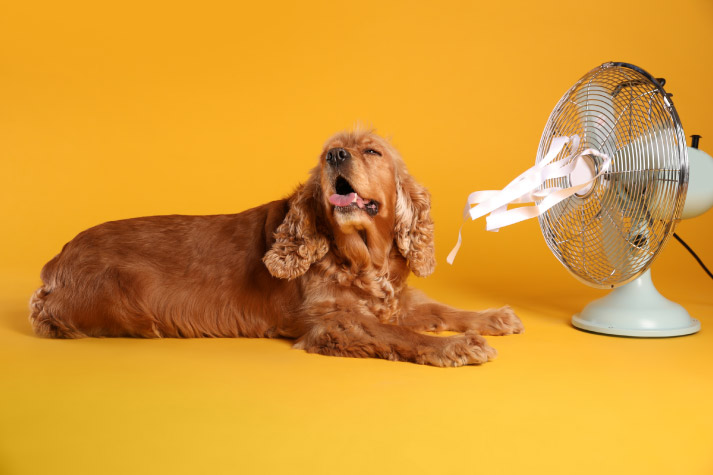
Start by moving your pet to a shaded or air-conditioned space. Offer small amounts of cool water, but avoid forcing them to drink. Gently pour cool, not cold, water over their body, focusing on areas like the belly and paws, and use a fan to encourage airflow.
Avoid ice or very cold water, as sudden temperature changes can worsen the condition. Even if your pet seems to recover, a veterinary check is crucial to rule out internal complications.
Common Mistakes UAE Pet Owners Make
Many heatstroke cases are preventable, yet certain assumptions often lead to risky situations. This is why avoiding common mistakes UAE pet owners make becomes crucial.
A short walk can feel harmless, especially during early hours, but residual heat from the ground can still affect your pet. Similarly, relying on hydration alone isn’t enough, access to water doesn’t eliminate the risk of overheating.
Indoor environments can also be misleading. An air conditioned room offers safety, but any disruption, like an AC failure or poor airflow, can quickly raise temperatures. Leaving pets on balconies or in enclosed spaces without ventilation is another overlooked danger.
Even brief stops in a parked car, with the AC running, can turn risky if the system fails or airflow is insufficient.
Pets Most at Risk During Summer
While all pets are vulnerable, some are more sensitive to heat than others.
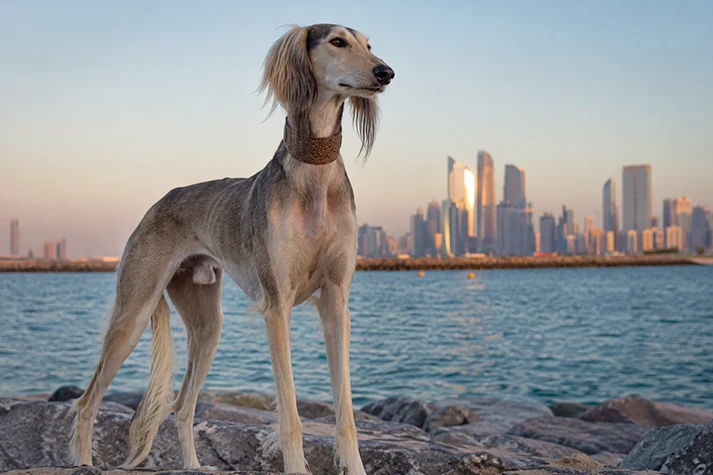
Flat-faced breeds such as Pugs and Bulldogs struggle more because of their shorter airways, which limits their ability to cool down. Overweight pets, puppies, and senior animals are also at higher risk, as are breeds with thick or dense coats.
Understanding your pet’s individual sensitivity can help you take better precautions.
How to Prevent Heatstroke in UAE Summer
Prevention is always more effective than treatment. Small adjustments to your routine can significantly reduce risk.
Walk your pet only during the coolest parts of the day, early morning or late at night, and always test the pavement with your hand before stepping out. If it feels hot to you, it’s unsafe for your pet.
Ensure constant access to clean drinking water and prioritise indoor activities over outdoor exercise during peak summer months. Keeping your home well ventilated and maintaining a stable indoor temperature is equally important.
Indoor Safety Tips for Pets
Many pet owners assume staying indoors completely eliminates the risk. However, indoor heatstroke is more common than expected, especially during power outages or air conditioning issues.
Rooms without proper ventilation can trap heat quickly, and balconies can become significantly hotter than indoor spaces due to direct sun exposure. Monitoring your home environment and ensuring consistent cooling can make a crucial difference.
Planning to Travel or Relocate Your Pet This Summer?
Summer also brings a surge in travel and relocation plans, but high temperatures can complicate pet movement significantly.
Airlines often impose strict heat restrictions during this period, limiting when and how pets can travel. In some cases, bookings may be delayed or routes adjusted to ensure animal safety.
If you’re planning pet travel or considering pet relocation services in the UAE, it’s important to prepare well in advance. Professional assistance can help navigate airline regulations, documentation, and seasonal limitations while prioritising your pet’s wellbeing.
Why Regular Vet Visits Are Crucial Before Summer
A routine veterinary check before the summer season can help identify underlying conditions that may increase heat sensitivity. Health issues such as respiratory problems or obesity can make it harder for pets to cope with high temperatures.
Regular vet visits also ensure your pet is fit for travel if you’re planning a relocation, and give you personalized advice based on your pet’s breed, age, and health.
Final Thoughts
Heatstroke is one of the most preventable yet serious risks pets face during UAE summers. With the right awareness and precautions, you can protect your pet from harm and ensure they remain safe, comfortable, and healthy throughout the season.
A little extra care today can make all the difference when temperatures rise.



AUTHOR’S BIO
Shivangi Lawania
Storytelling is my way of bringing ideas to life. I enjoy shaping words that spark curiosity and connection, while keeping a strong focus on branding and communication. For me, great content blends creativity with clarity to leave a lasting impression.