24 Dec
Exotic Pet Import Rules in the UAE Explained
Many pet parents planning a move to the UAE search for answers around exotic pet import rules in the UAE, but the information online is often confusing. Some sources say exotic pets are allowed, others say they are banned, and most don’t explain what actually applies to private pet owners.
This blog breaks it down in simple words. No legal jargon, no overcomplication. Just clear information on what is allowed, what is not, and how pet relocation for exotic animals in UAE really works.
Are Exotic Pets Legal to Import into the UAE?
Private individuals are generally not allowed to import or keep exotic or wild animals in the UAE. Animals such as monkeys, big cats, wolves, foxes, raccoons, dangerous reptiles and other wildlife species fall under this restriction.
These animals are only allowed under very strict conditions for:
- Zoos and wildlife parks
- Government-approved conservation centres
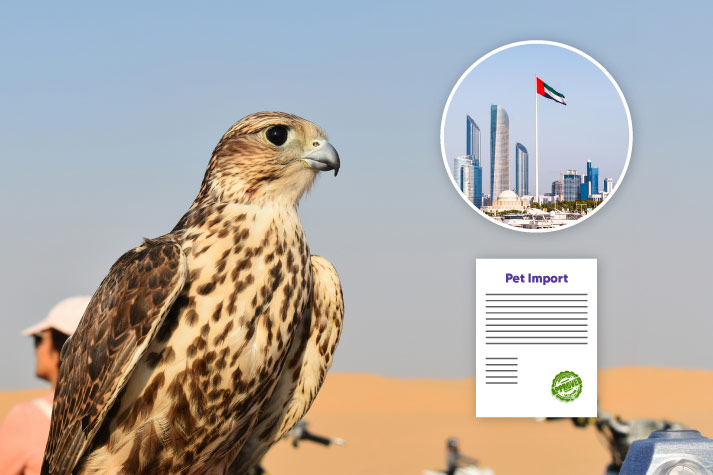
- Licensed falconers (falcons are a special case)
If you are a pet parent relocating for work or family reasons, international exotic pet travel to the UAE is generally not legal for personal pets. This rule exists for animal welfare, public safety, and disease control reasons.
What Pets Can Be Legally Imported by Individuals?
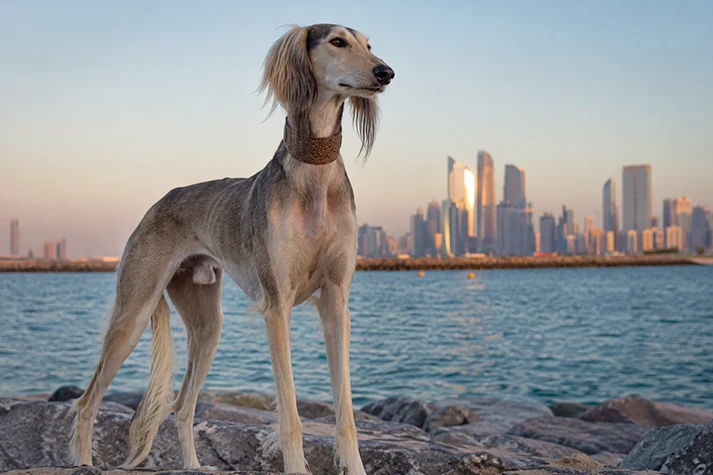
While exotic animals are restricted, the UAE does allow domestic pets, mainly cats and dogs, to be imported legally when all requirements are met. In some limited cases, small non-dangerous birds may be permitted, but even these require prior approval and documentation. The rules are strict, and approval is never automatic.
So, when people search for UAE pet import legal requirements, what they are usually dealing with is cat and dog relocation, not exotic wildlife.
UAE Pet Import Legal Requirements Explained Simply
If you are importing a cat or dog, the process is structured but manageable if done correctly.
First, an import permit from the UAE Ministry of Climate Change and Environment (MOCCAE) is mandatory. This permit must be approved before your pet travels. Without it, the pet will not be cleared on arrival.
Your pet must also be microchipped, and the microchip number should match every document. This is something authorities check carefully.
A valid health certificate from a licensed veterinarian in the country of origin is required. This certificate confirms that the pet is healthy, vaccinated, and fit to travel. Rabies vaccination is compulsory, along with other routine vaccines depending on species and origin country.
Age matters as well. Very young animals are not accepted, and parasite treatments are usually required shortly before travel. These details may sound small, but missing even one can delay or block entry.
Most pets enter the UAE as manifest cargo, not as checked baggage. This is where many pet parents get confused, but it is standard practice under UAE regulations.
What Happens If Someone Tries to Import an Exotic Animal?
This is something pet parents should be very clear about. If a prohibited exotic animal arrives in the UAE without proper authorization, authorities can:
- Deny entry
- Confiscate the animal
- Issue fines or legal action
In some cases, the animal may be sent back to the country of origin at the owner’s cost, which can be stressful and risky for the animal.
This is why responsible UAE exotic pet relocation services will refuse to relocate banned species, even if someone insists.
Do You Need a UAE Exotic Pet Relocation Service?
For cats and dogs, using a professional pet relocation service is not mandatory, but it helps a lot. The paperwork, airline coordination, and permit timelines can be confusing, especially for first-time movers.
For anything even slightly uncommon, professional guidance becomes essential. A genuine UAE pet relocation service will tell you clearly:
- What is legal
- What is not possible
- What documents are actually required
Be cautious of anyone promising “special approvals” for banned exotic animals. That is usually a red flag.
Things Pet Parents Often Miss
One common misunderstanding is assuming that if a pet is legal in another country, it will automatically be allowed in the UAE. That is not how UAE law works. Another issue is last-minute planning. Import permits take time, and airline rules can change. Starting early avoids stress, rushed decisions, and unnecessary costs.
Most importantly, always think from the pet’s comfort point of view. Legal approval does not automatically mean the journey will be easy for the animal.
Final Thoughts
When it comes to exotic pet import rules in the UAE, the country is very clear. Wild or exotic animals are not allowed for private ownership, and trying to work around this usually leads to trouble.
For cats and dogs, the process is structured and legal if done correctly. Understanding the rules early, planning ahead, and being honest about what is possible, makes international pet travel to UAE much smoother. If something sounds too easy or unofficial, it probably is.



AUTHOR’S BIO
Shivangi Lawania
Storytelling is my way of bringing ideas to life. I enjoy shaping words that spark curiosity and connection, while keeping a strong focus on branding and communication. For me, great content blends creativity with clarity to leave a lasting impression.